A Time of Waiting (2025)




Lessons in Waiting (2025)
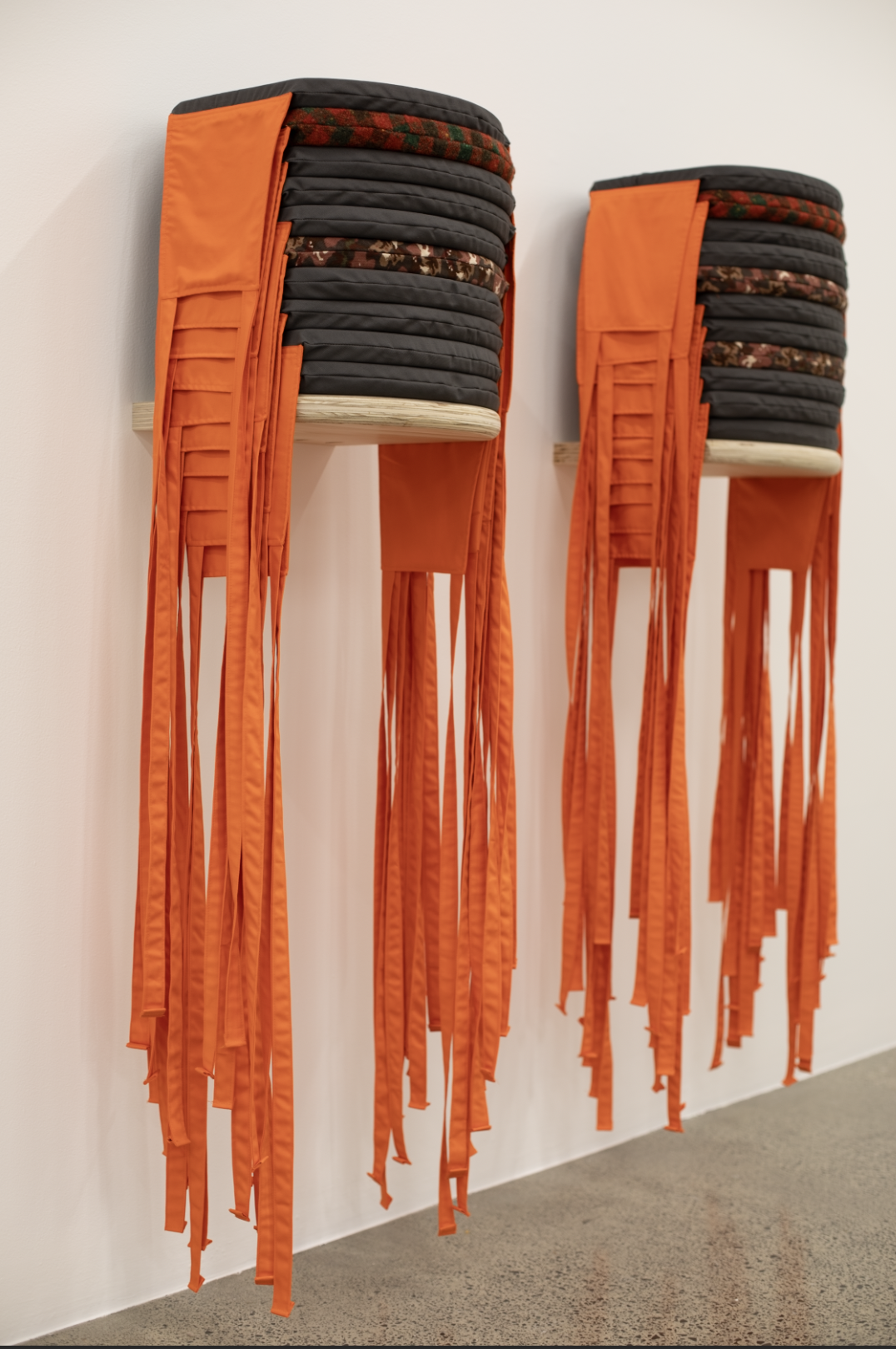
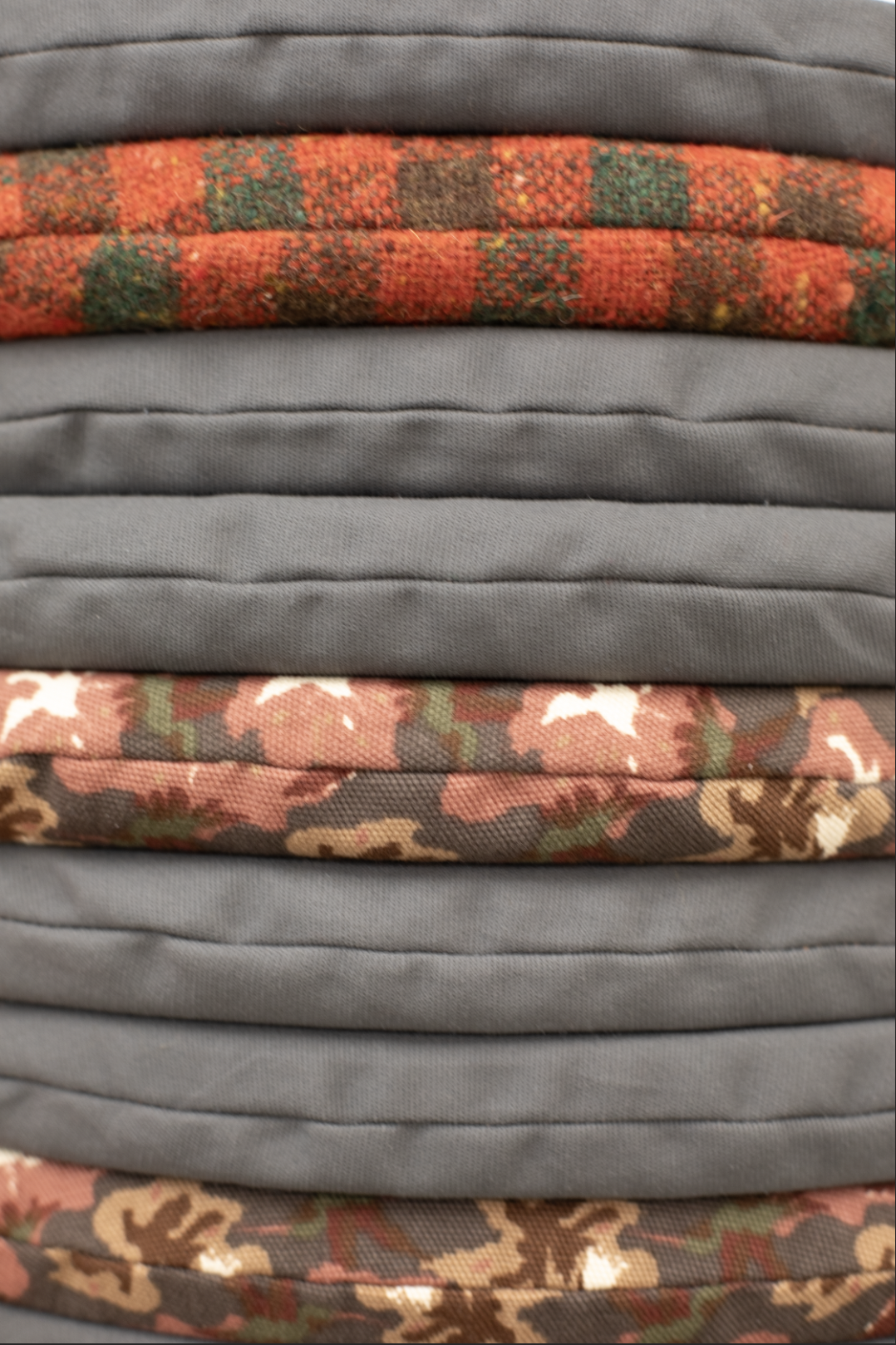
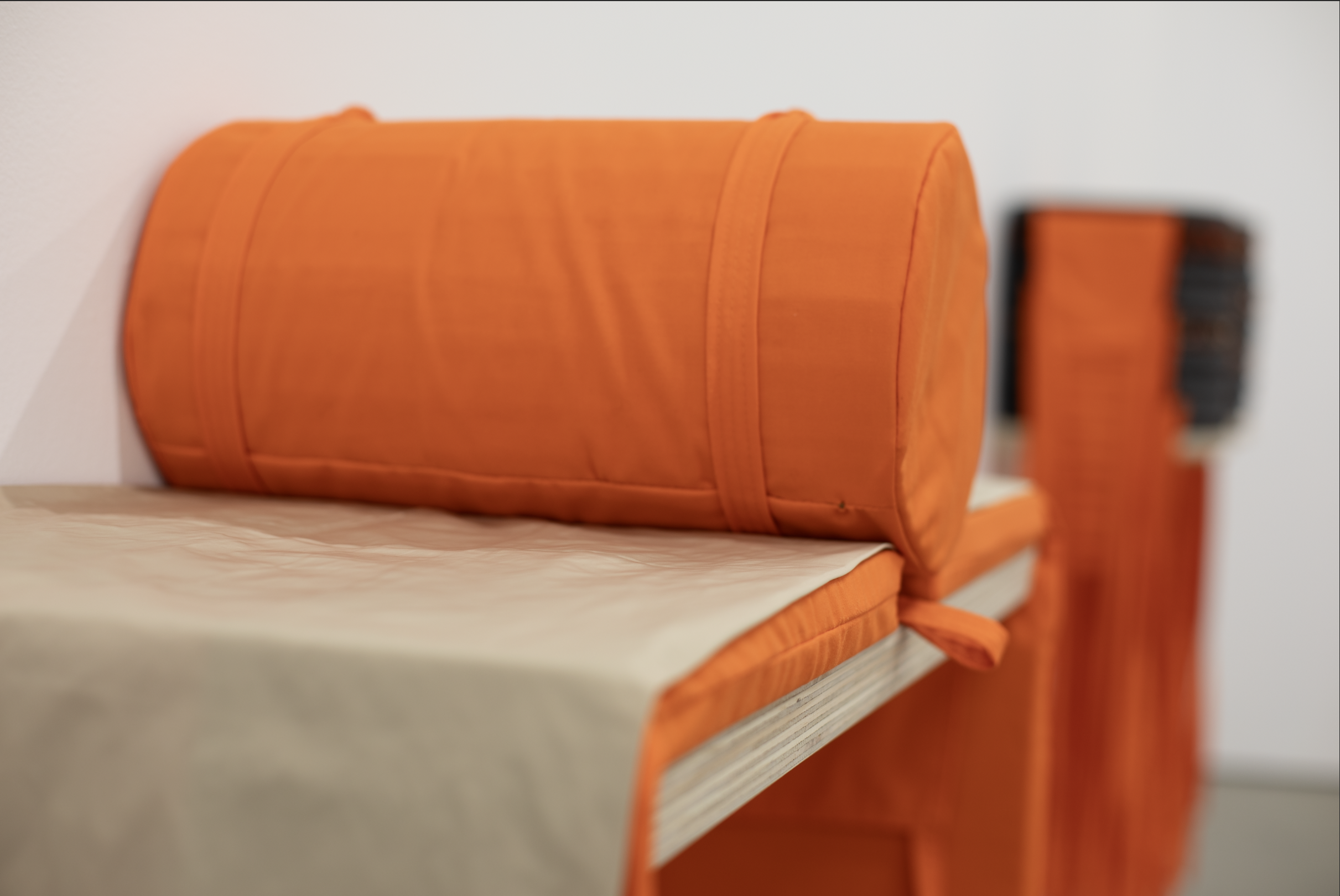
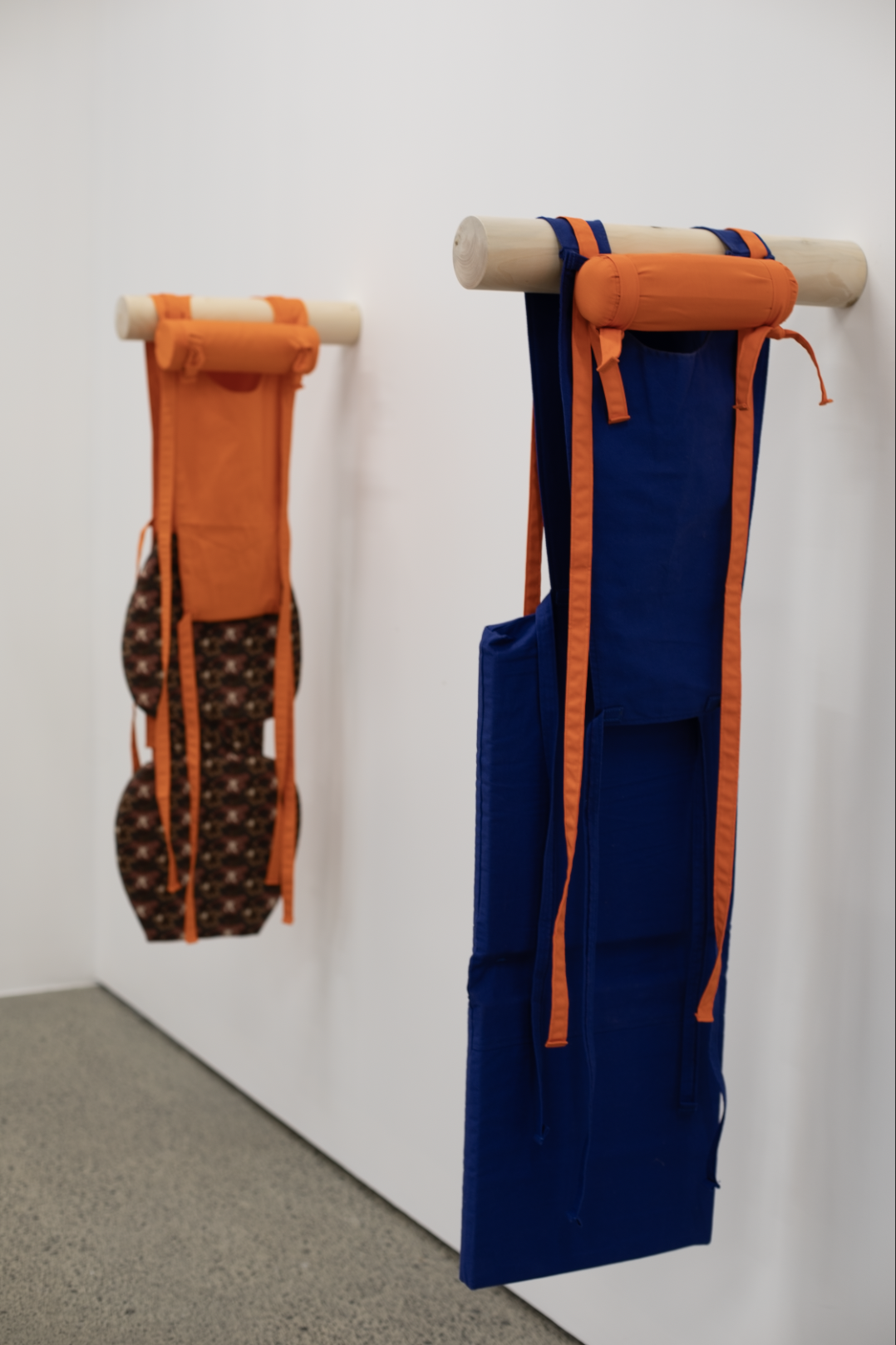
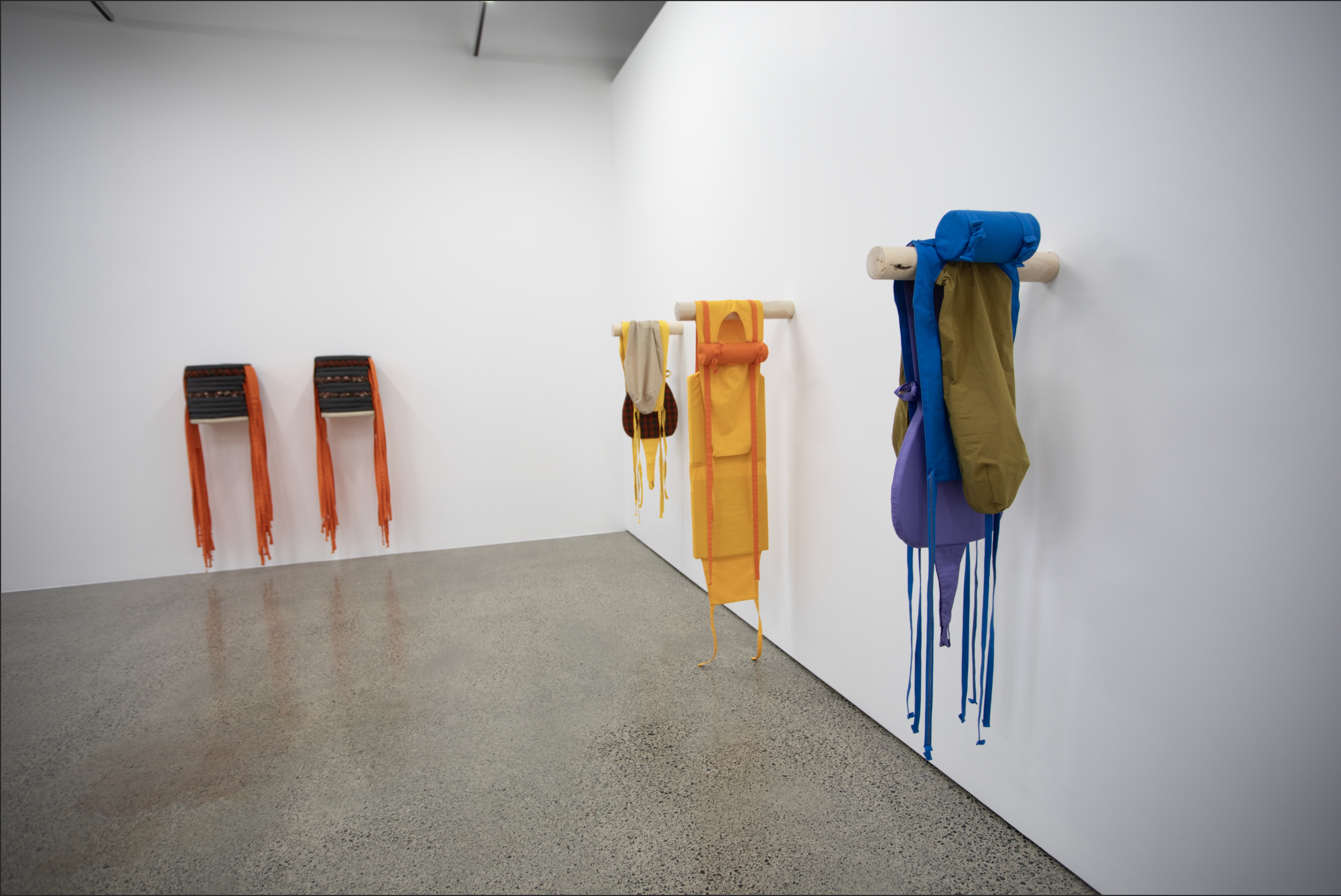
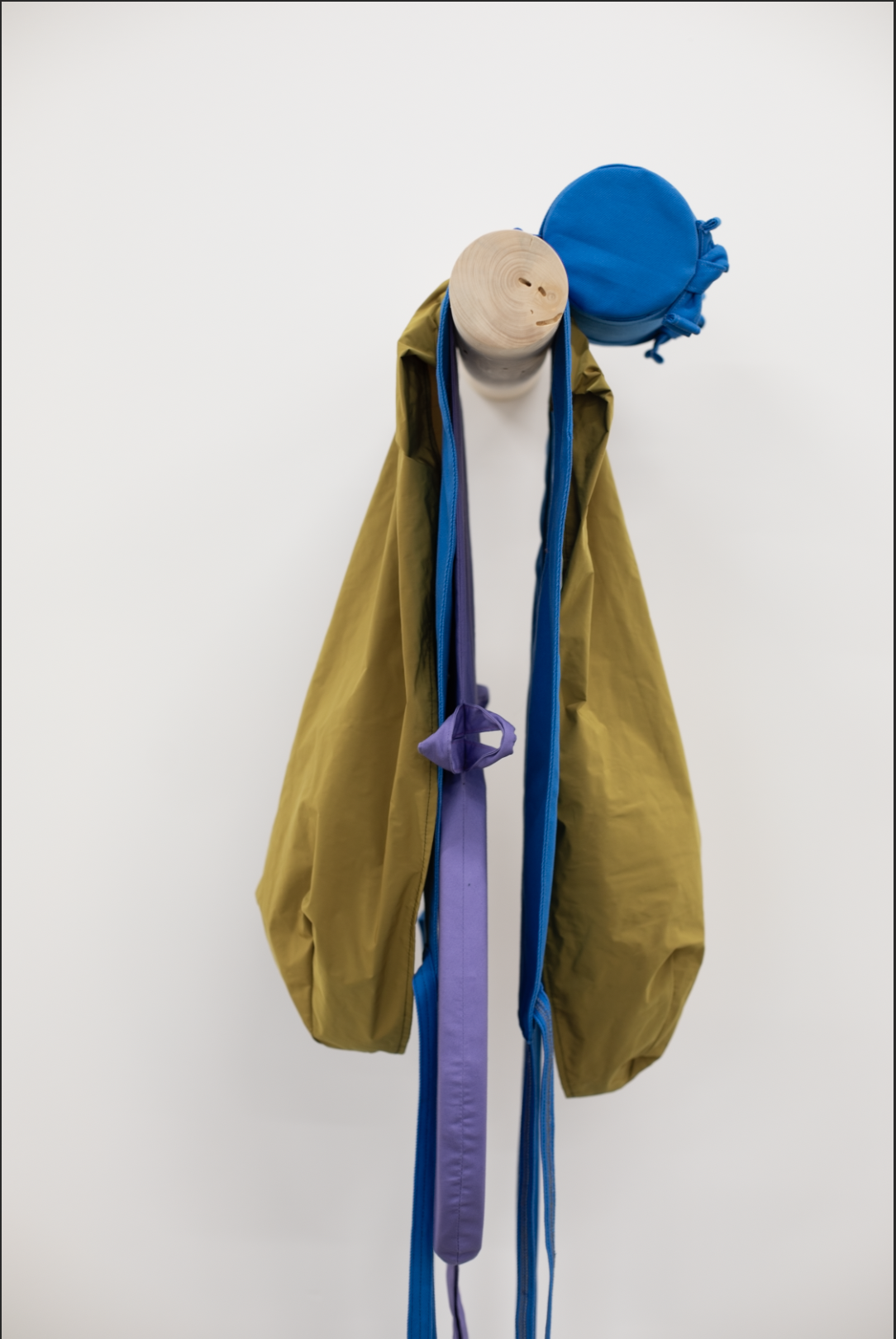
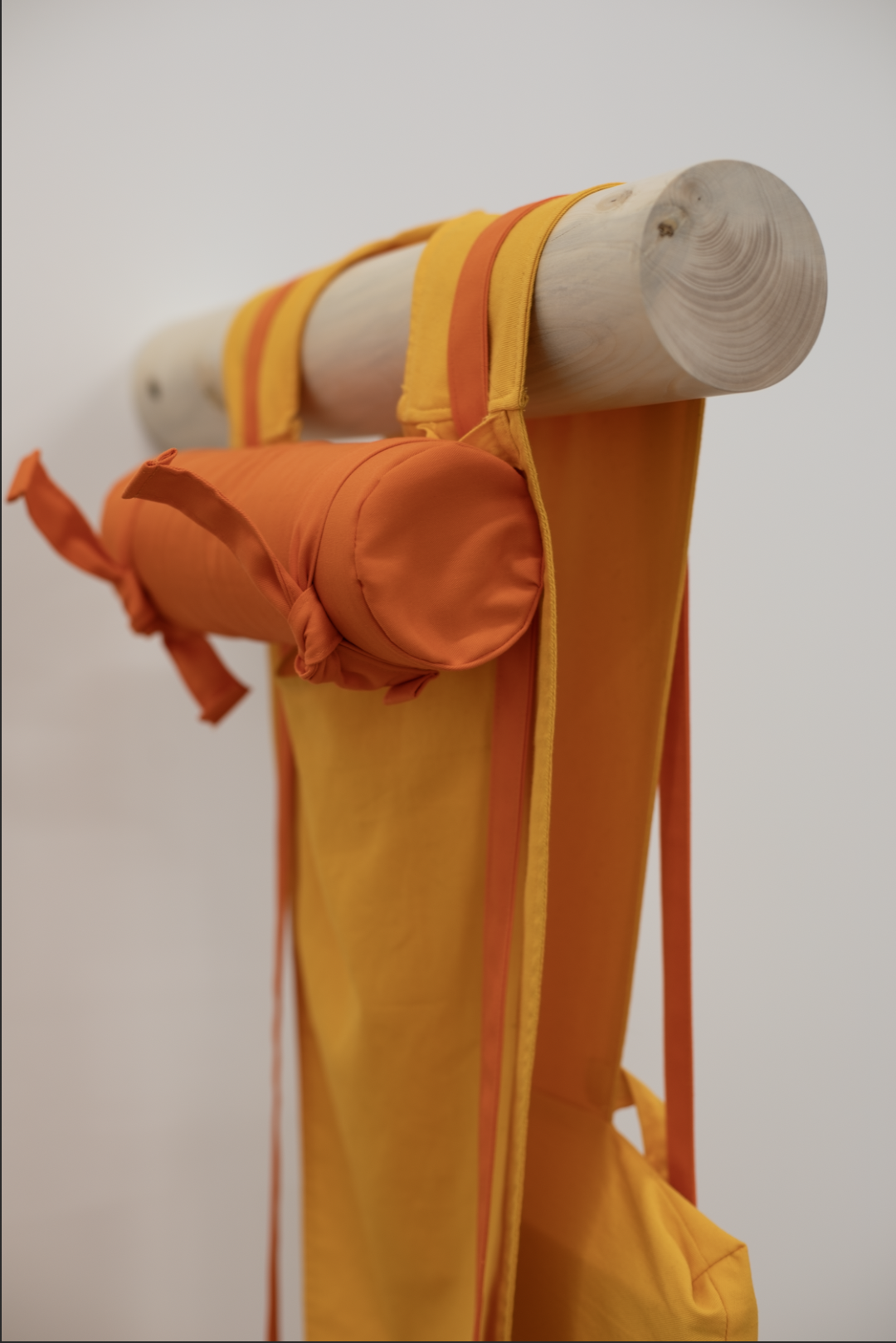
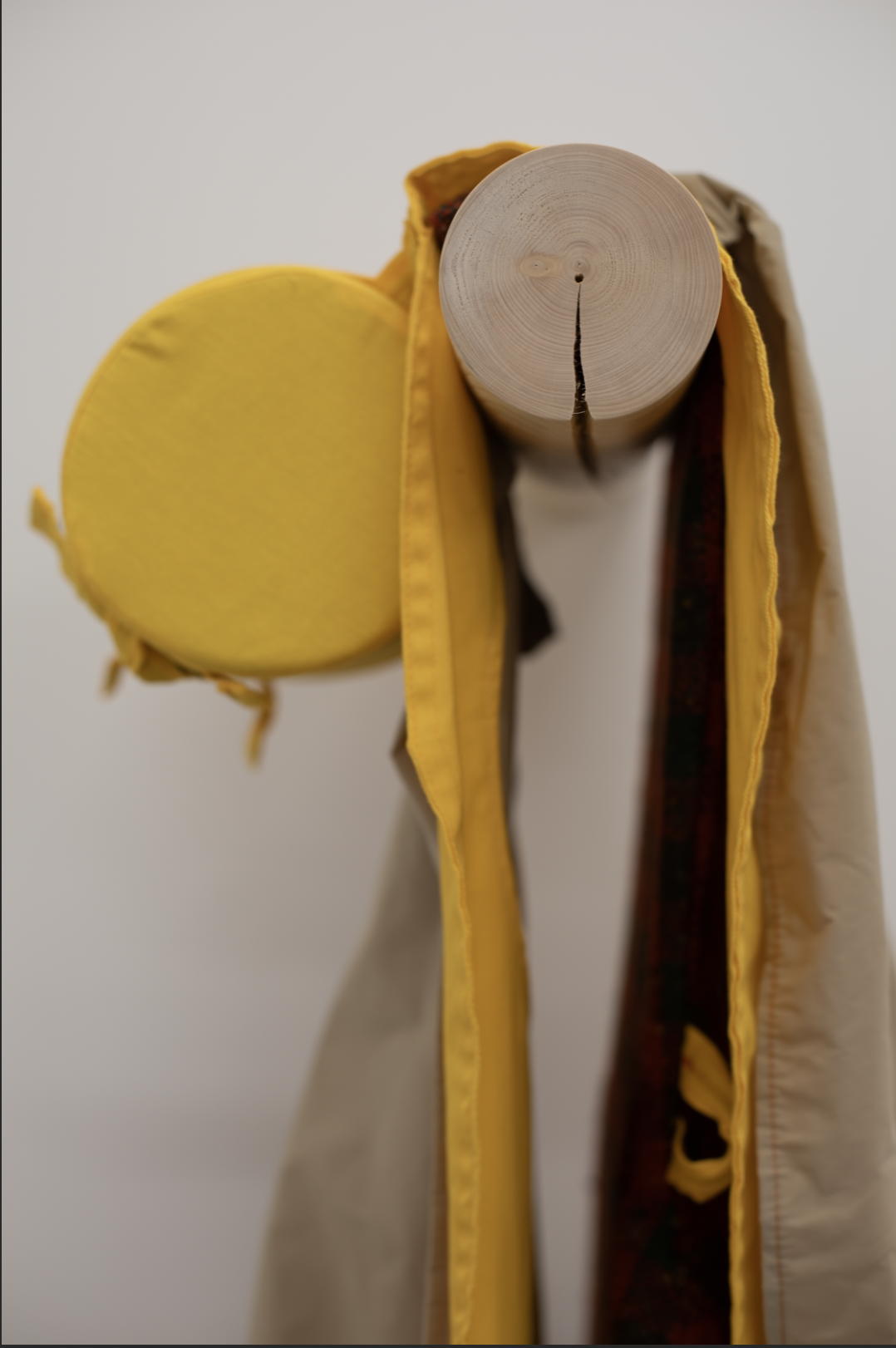
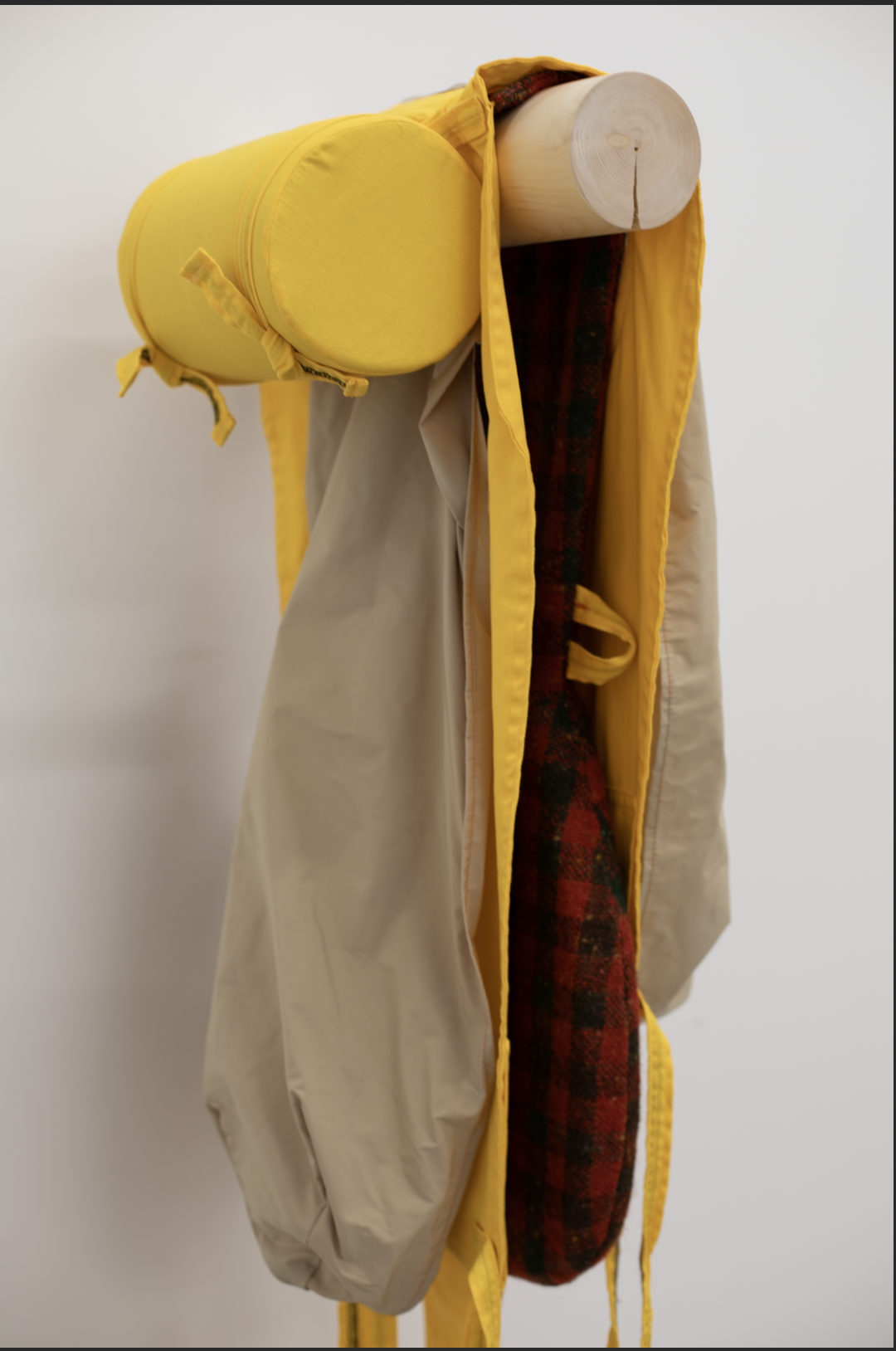
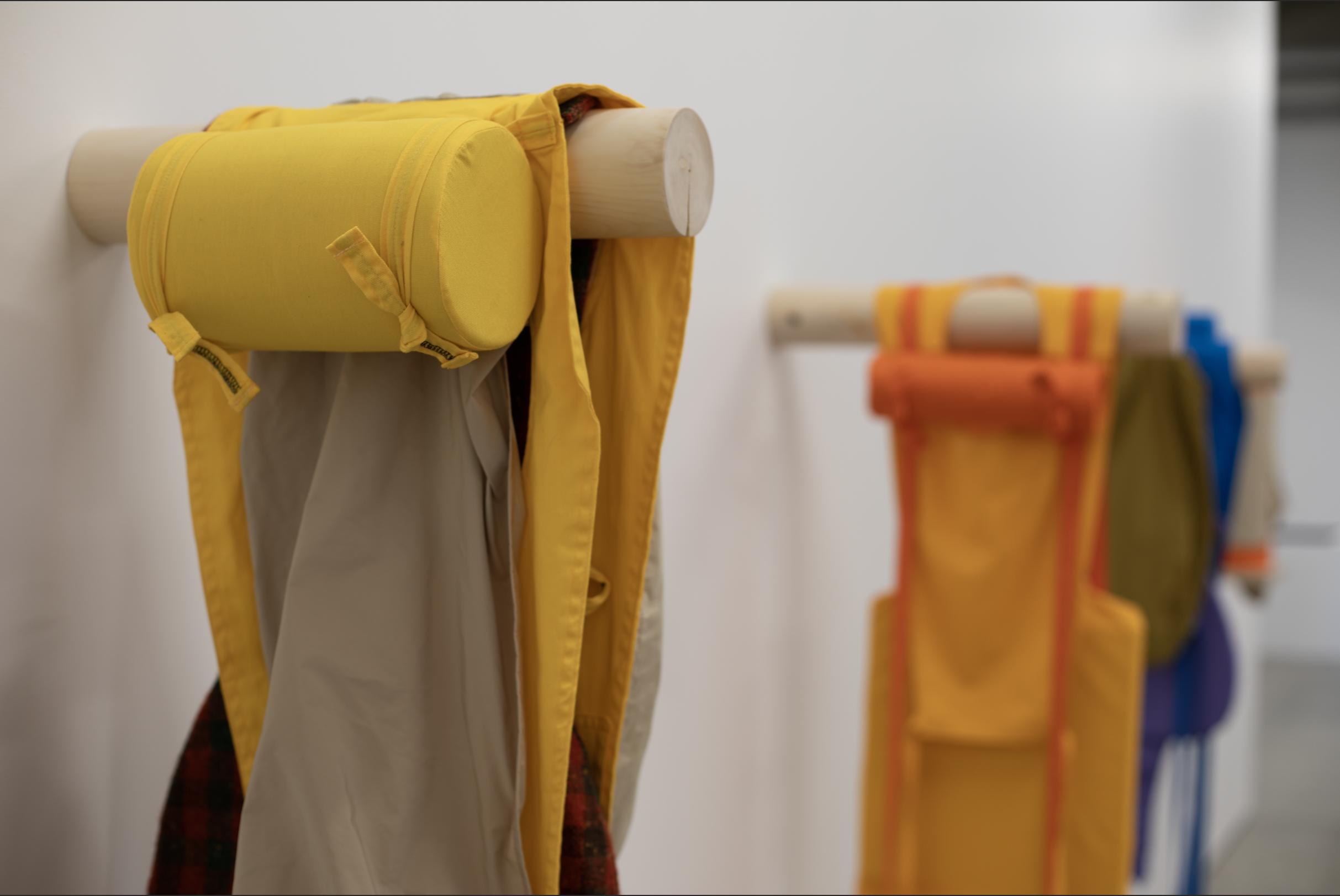
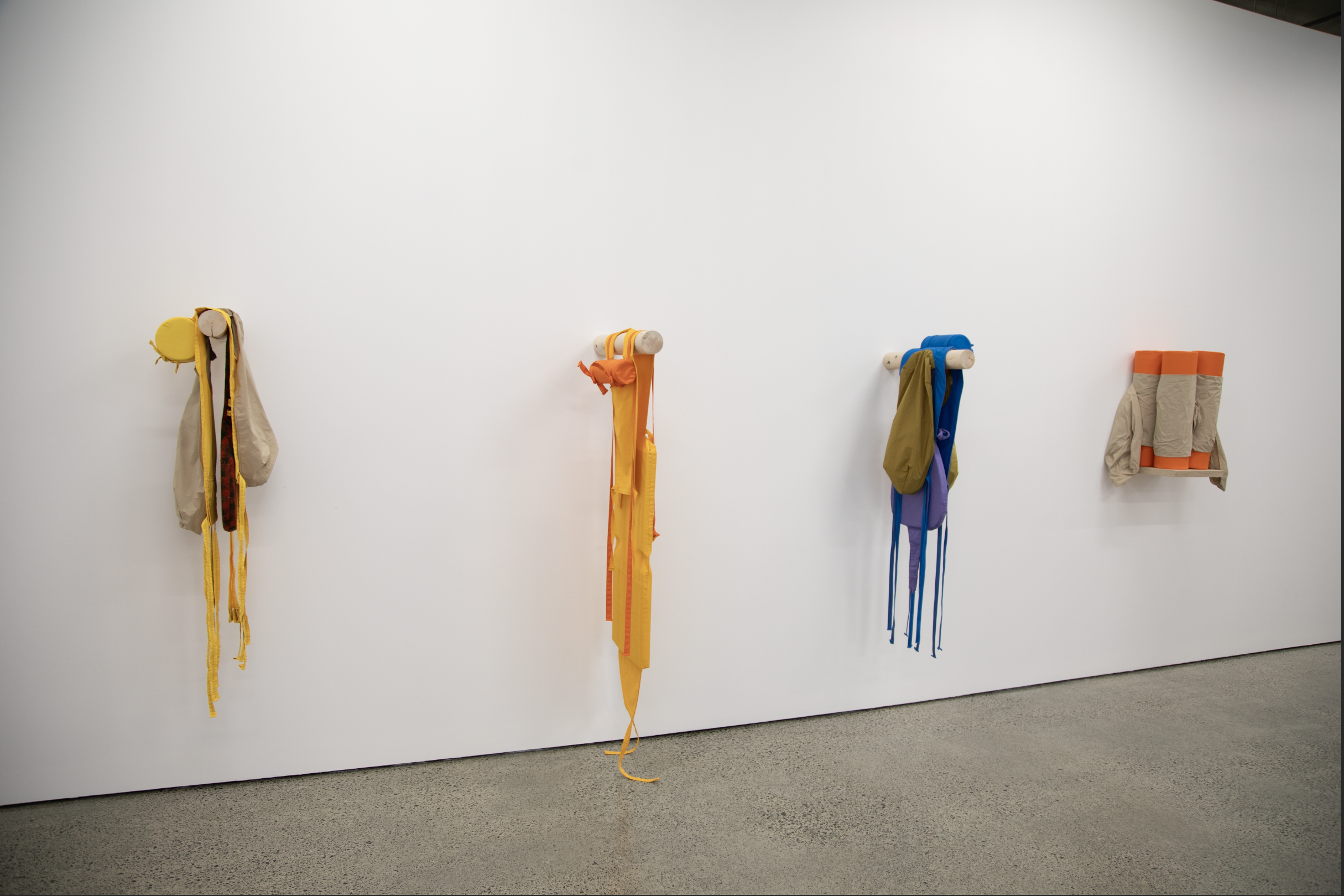
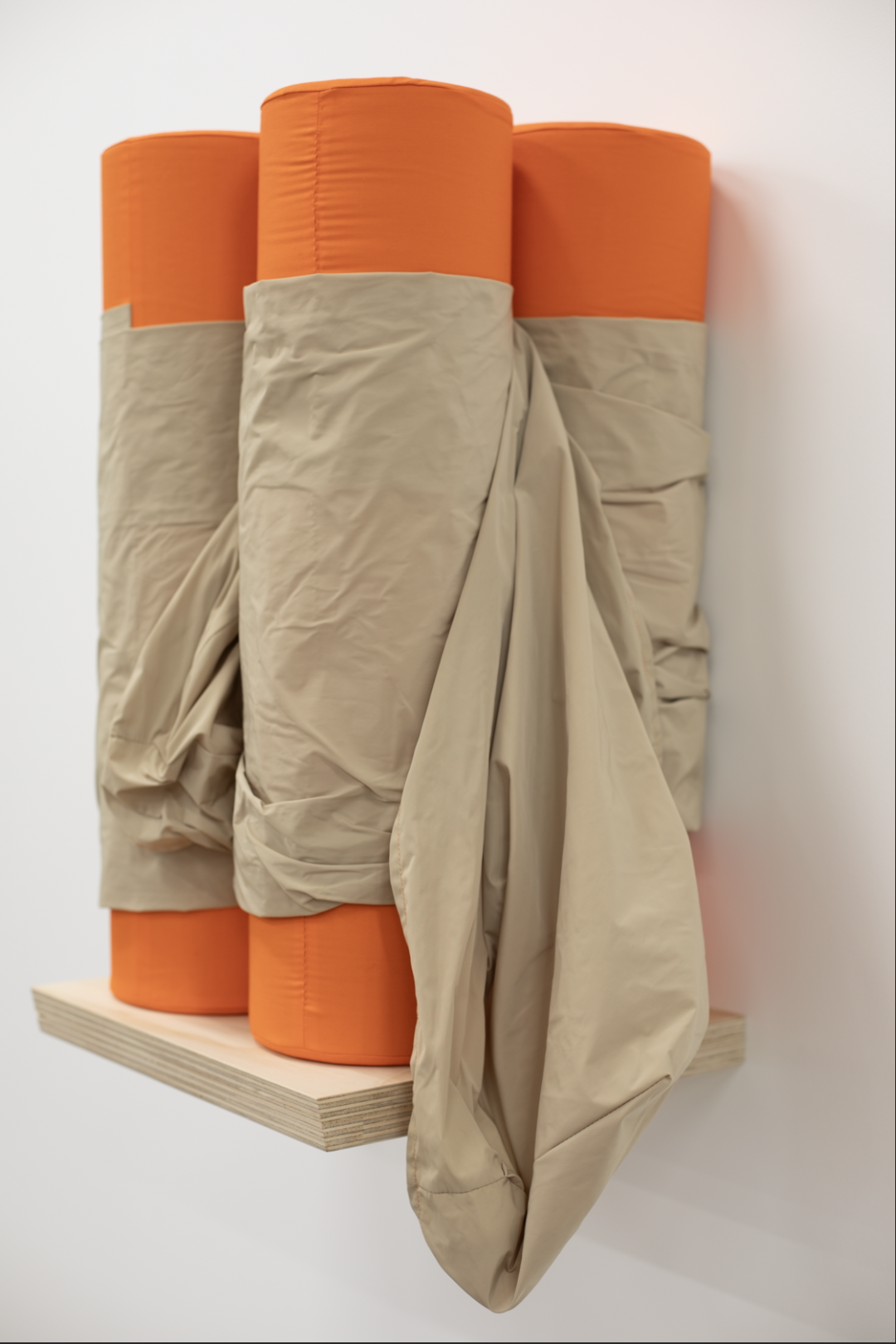
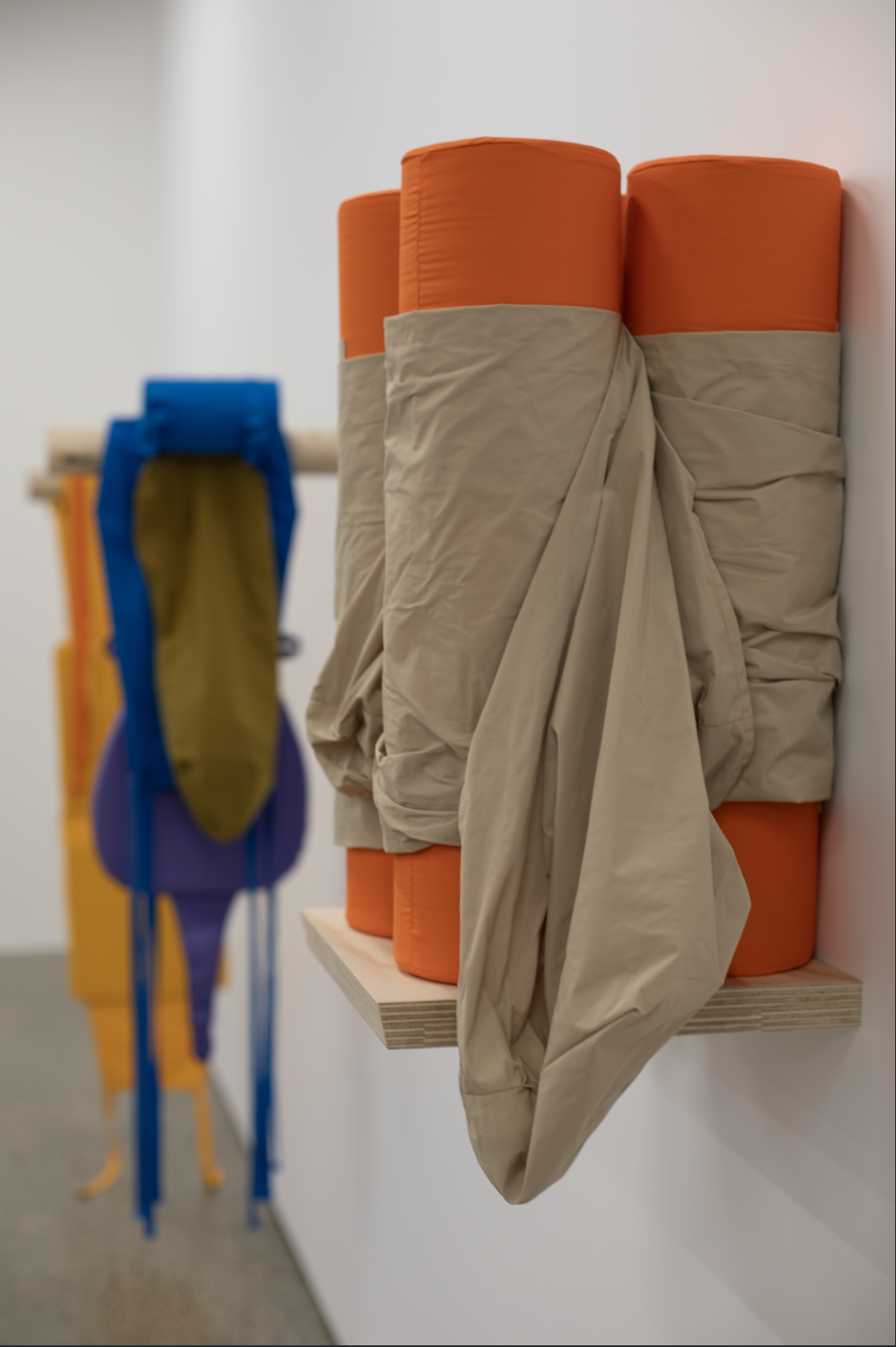
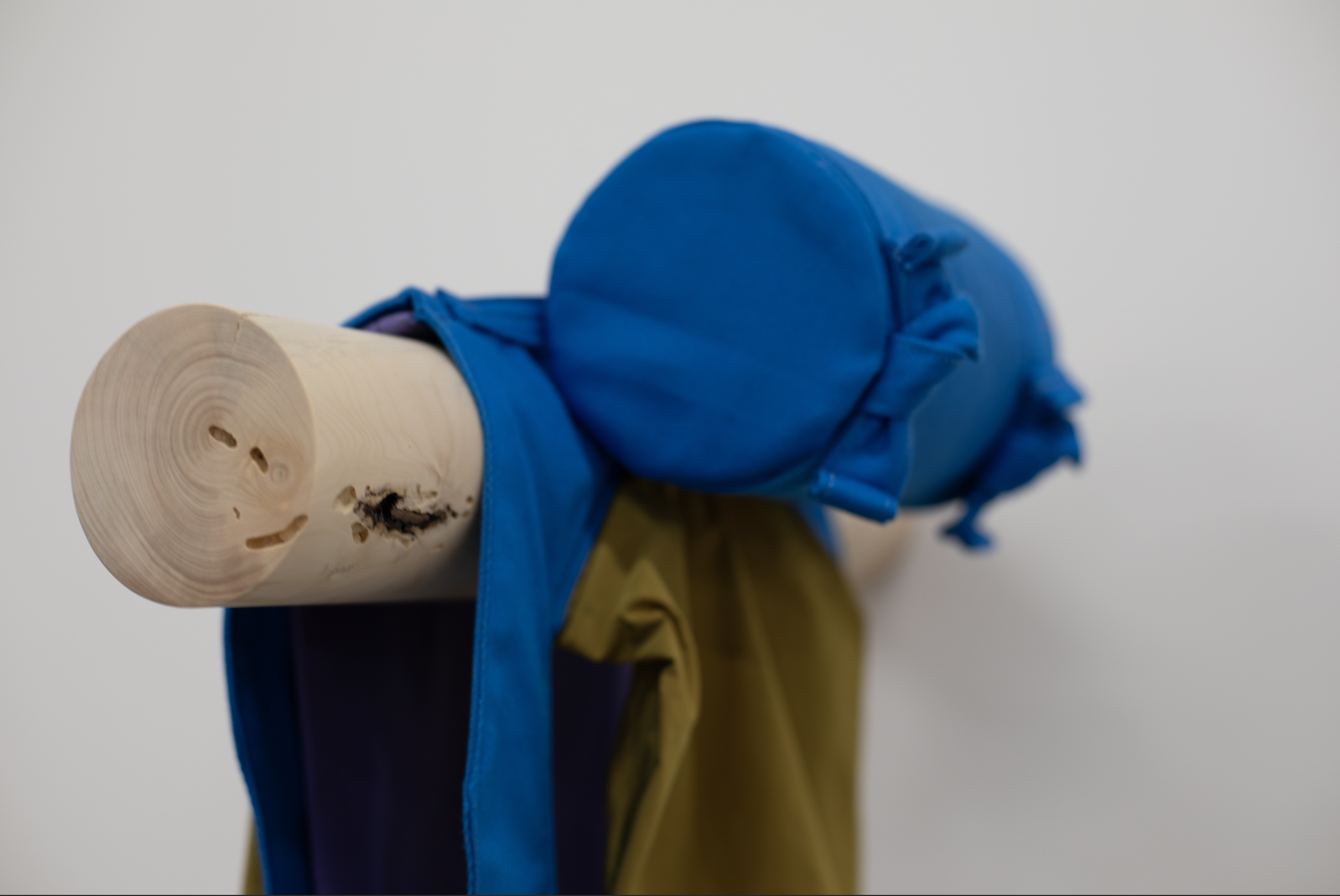
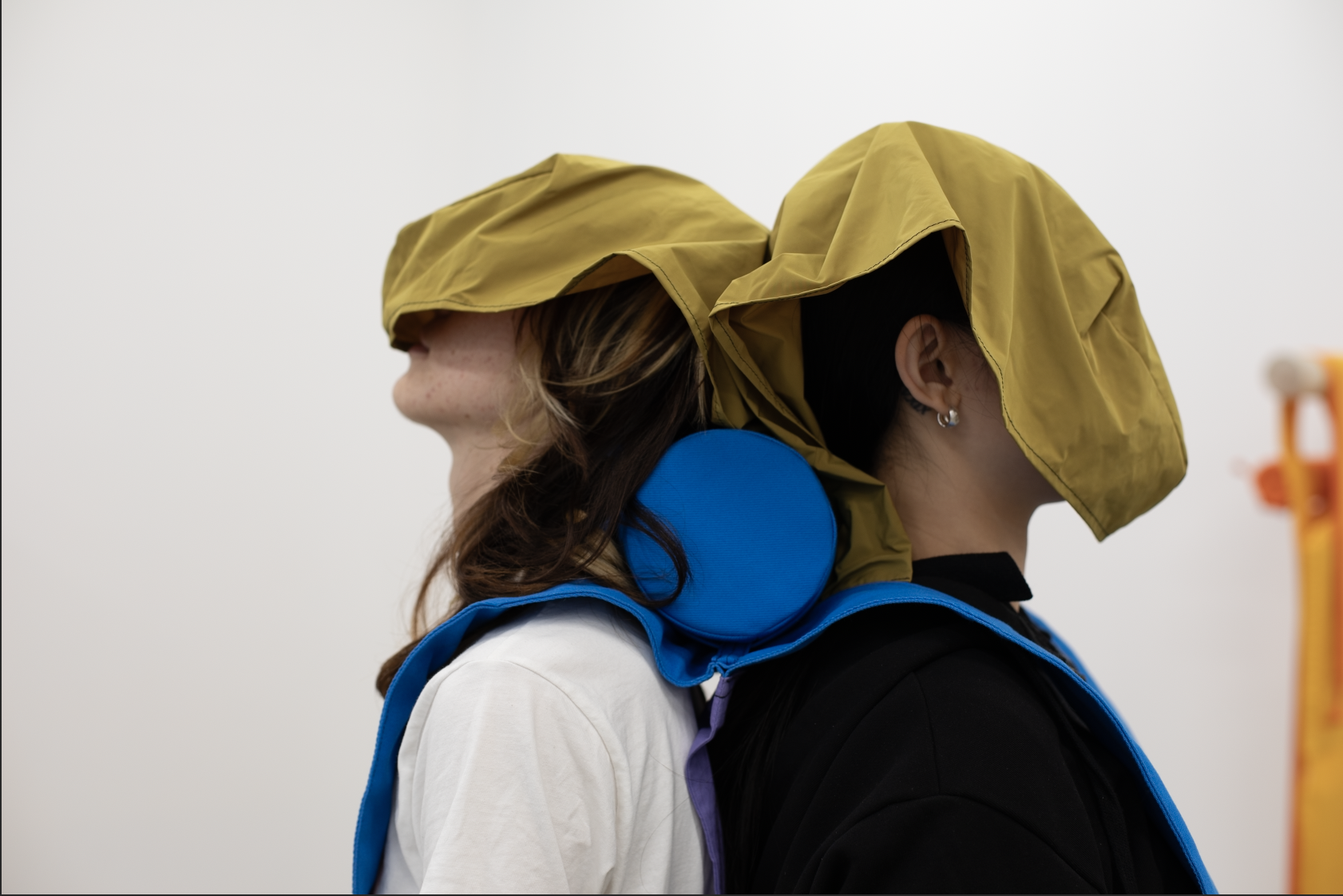
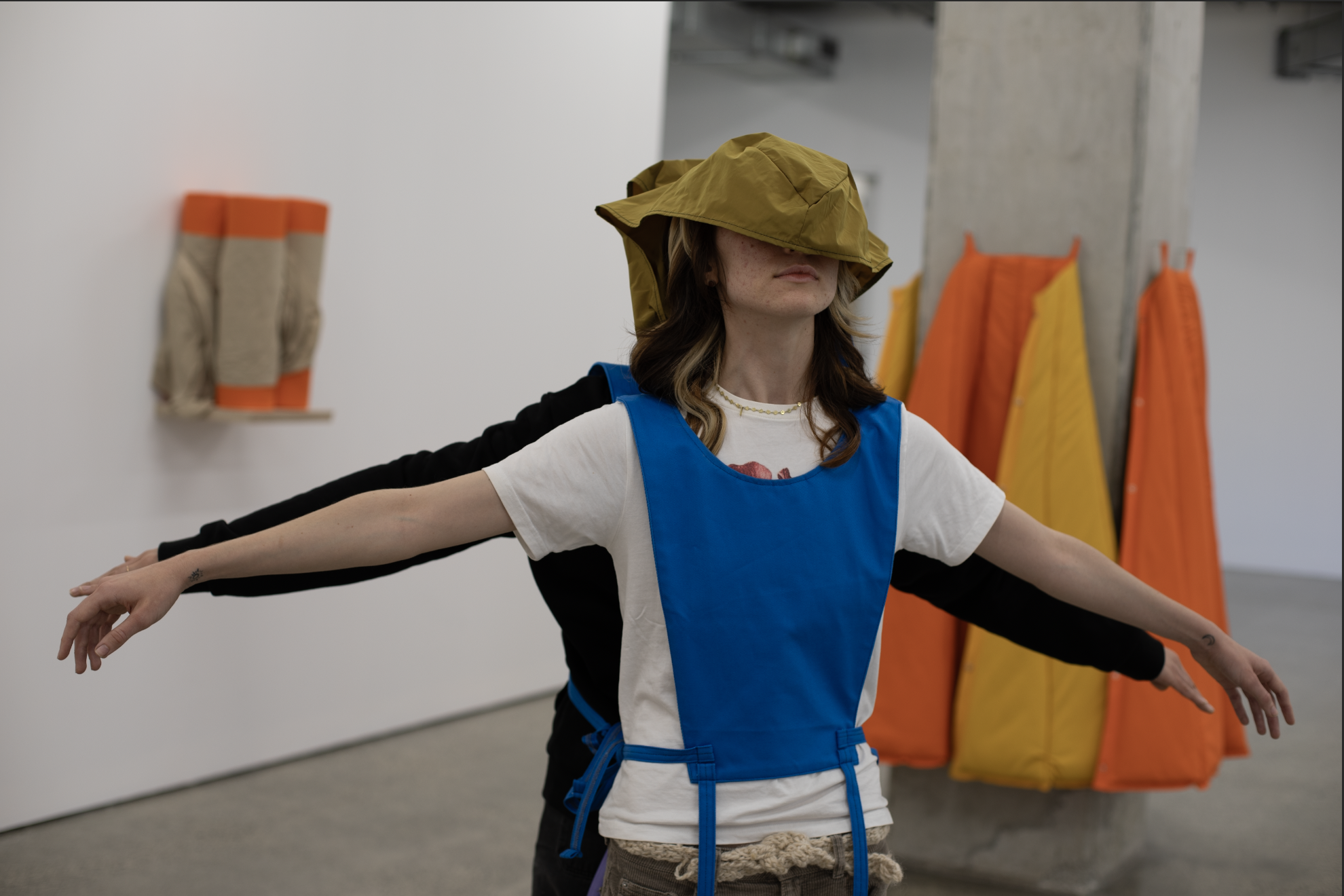
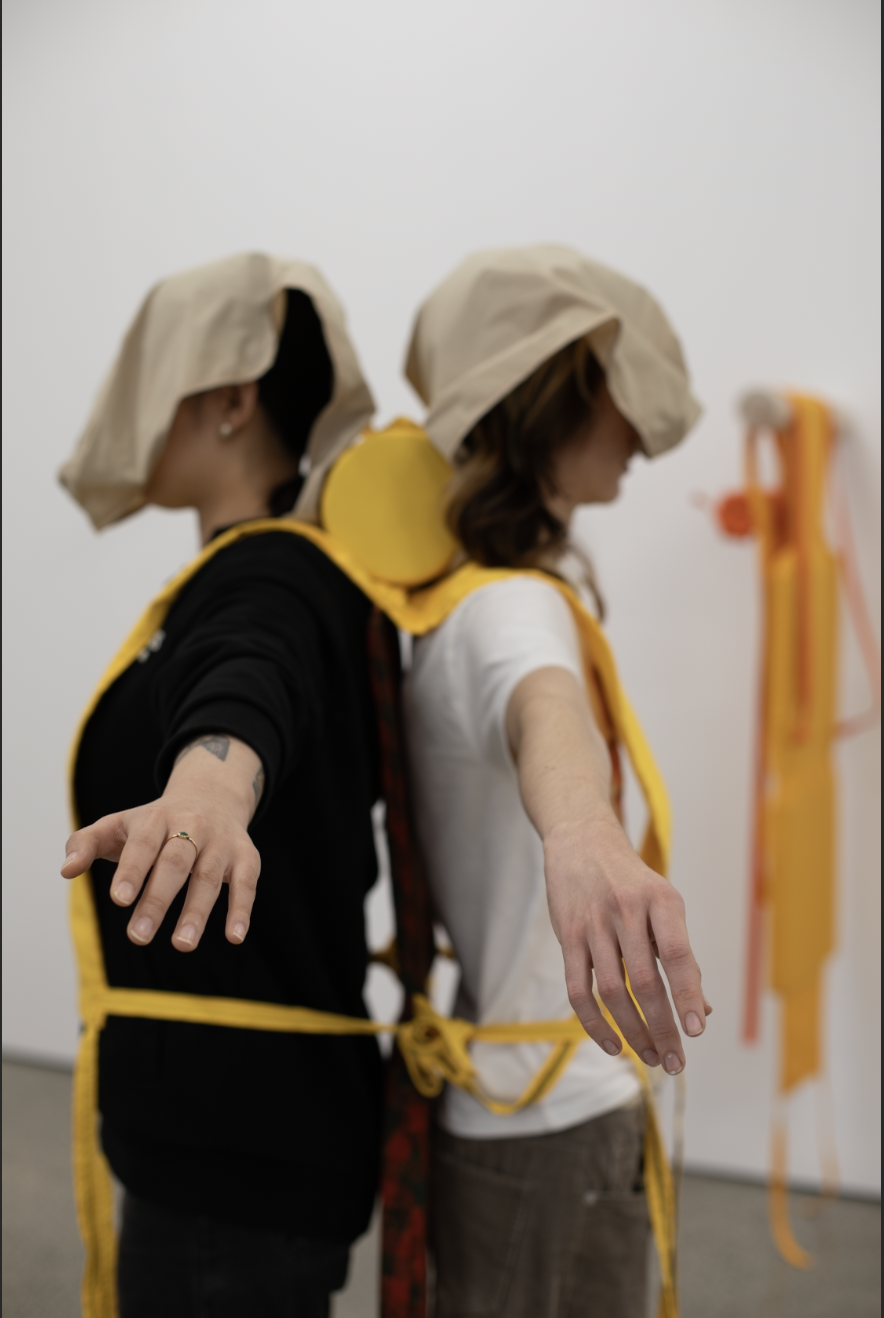
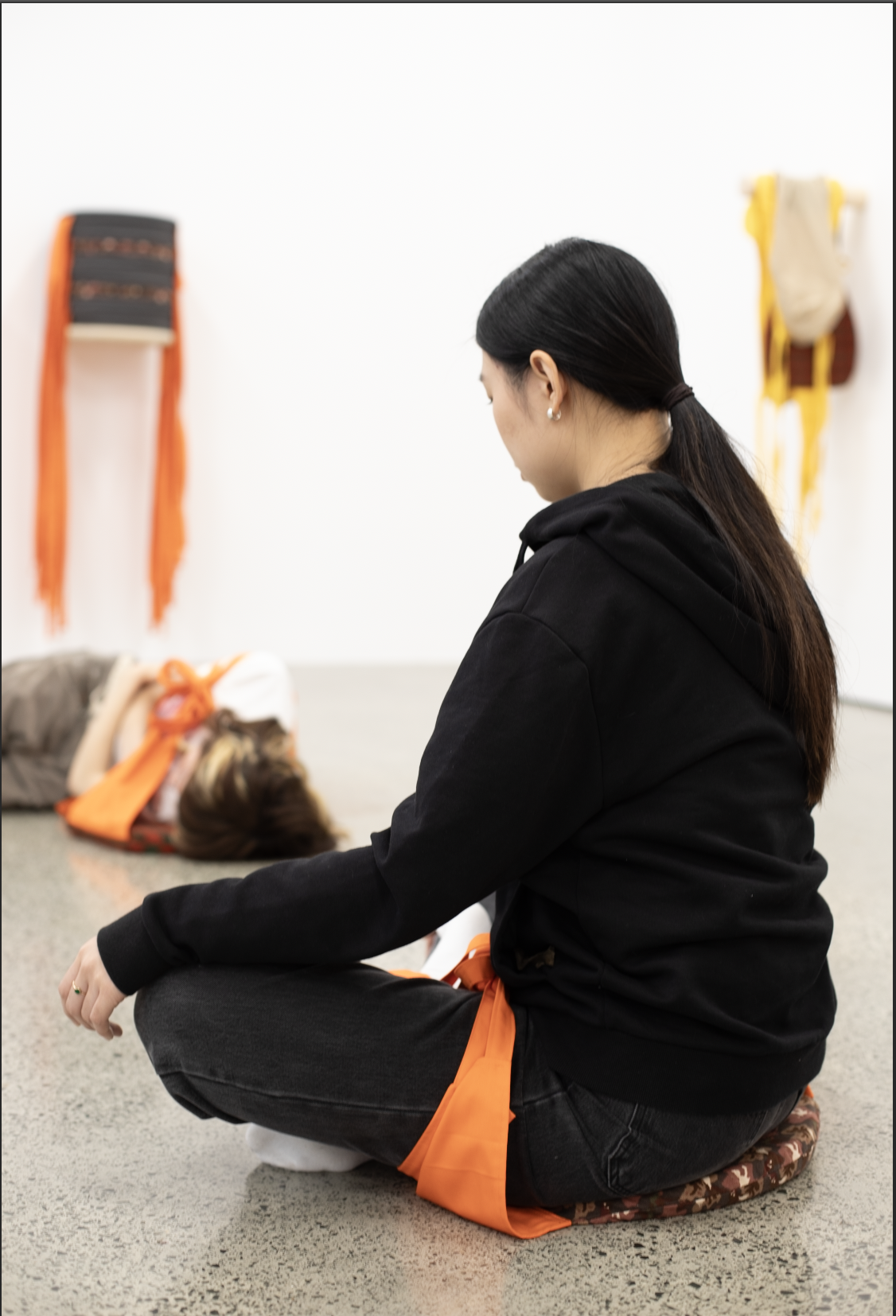
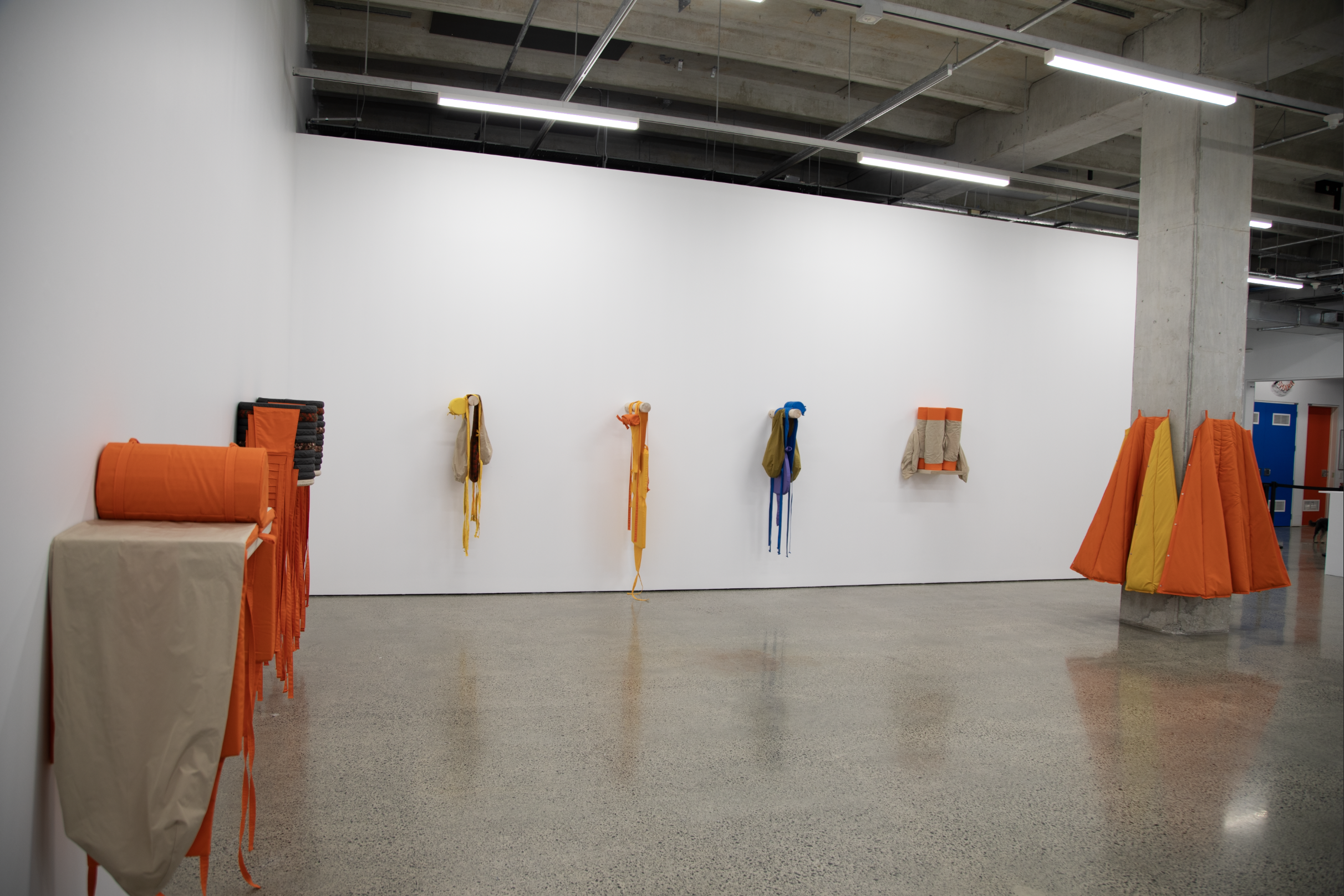
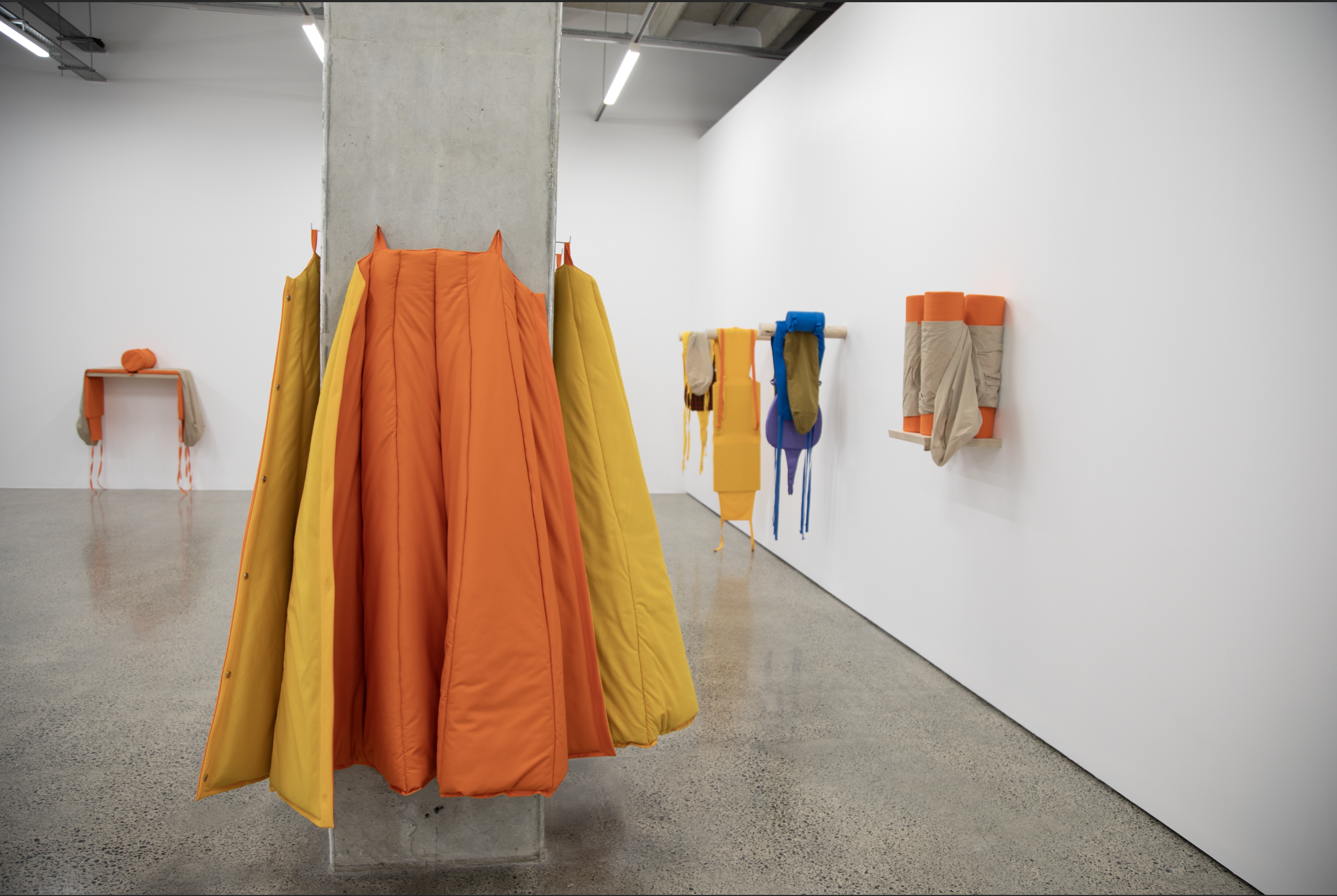
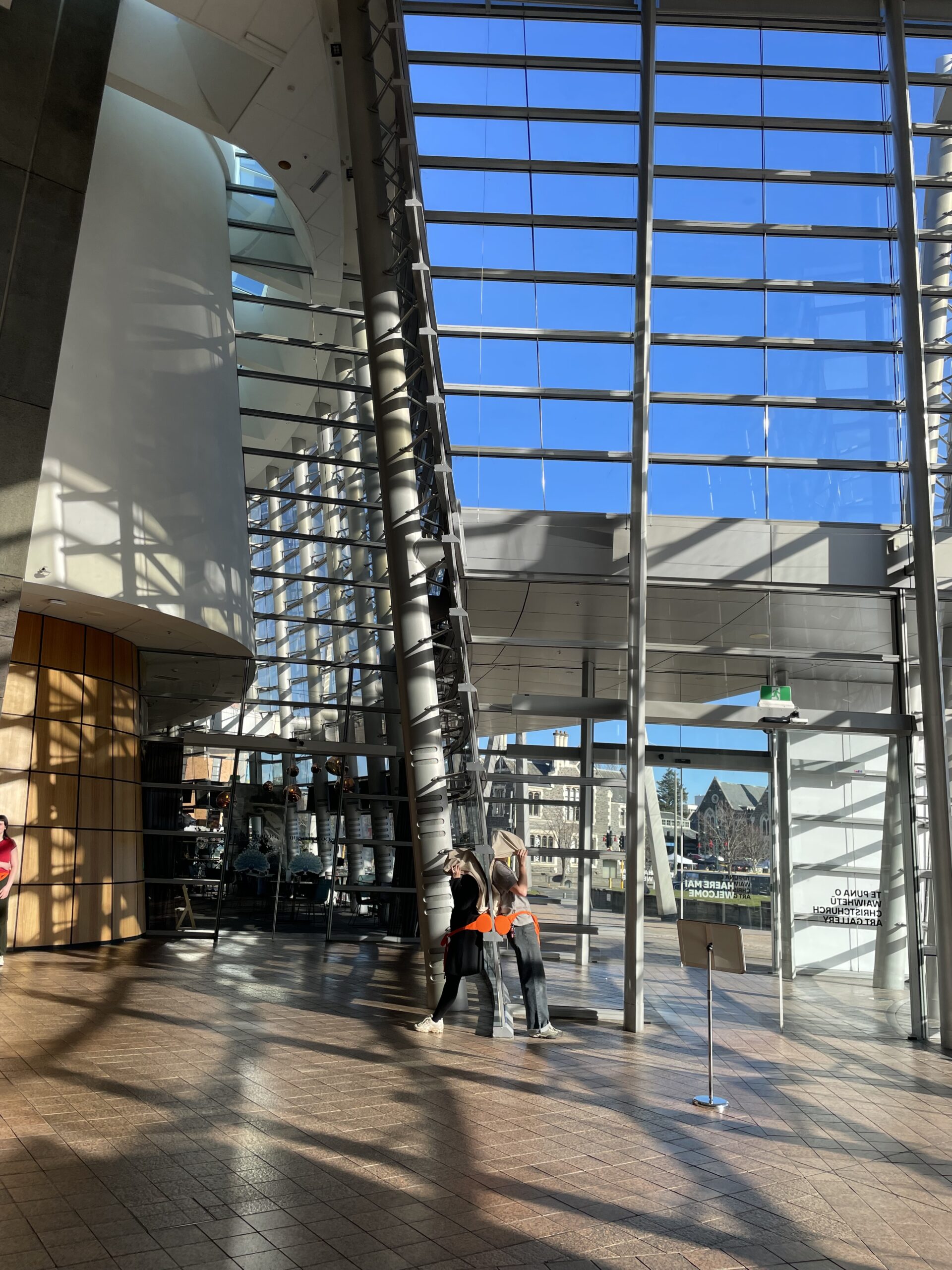
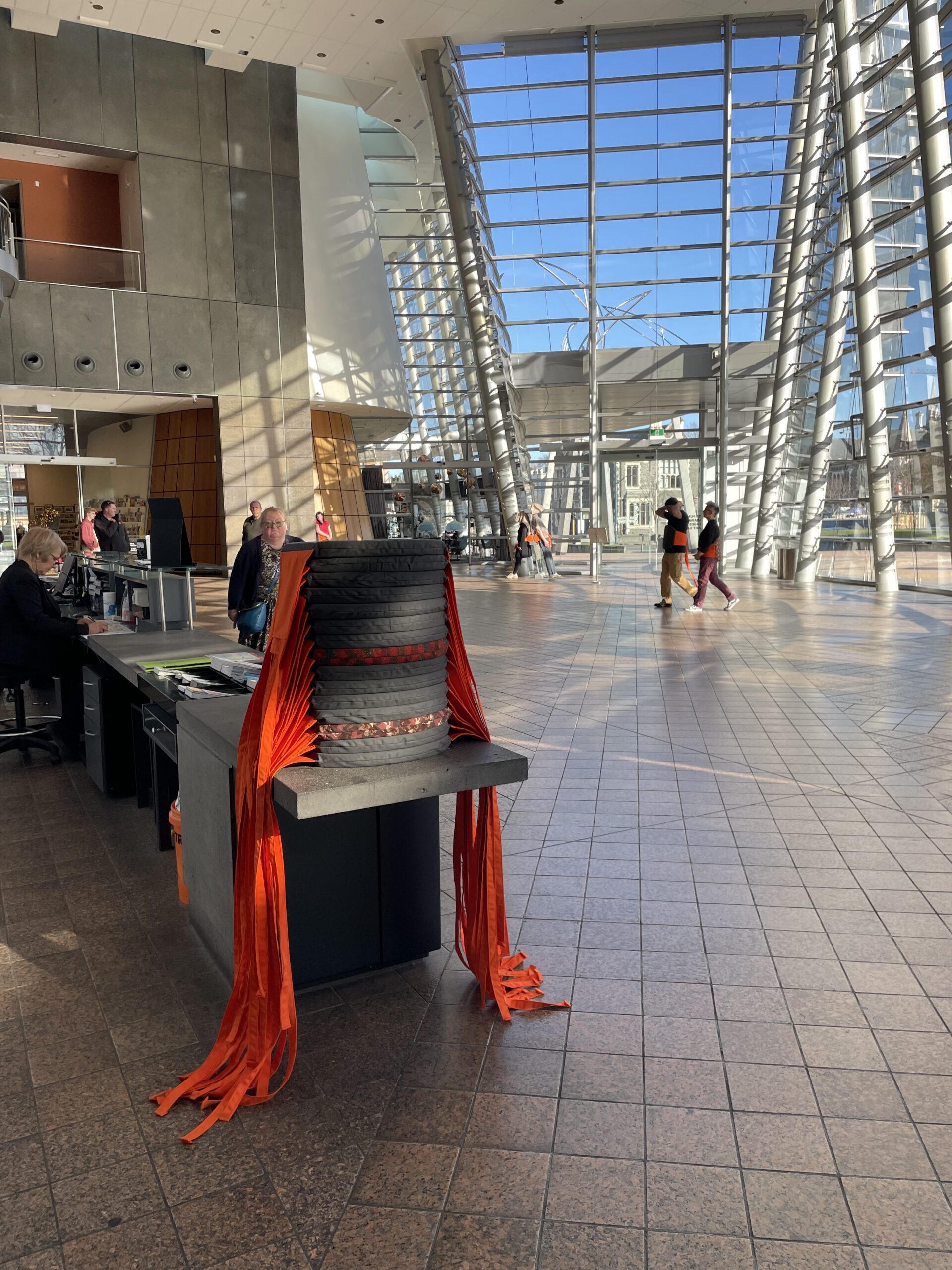
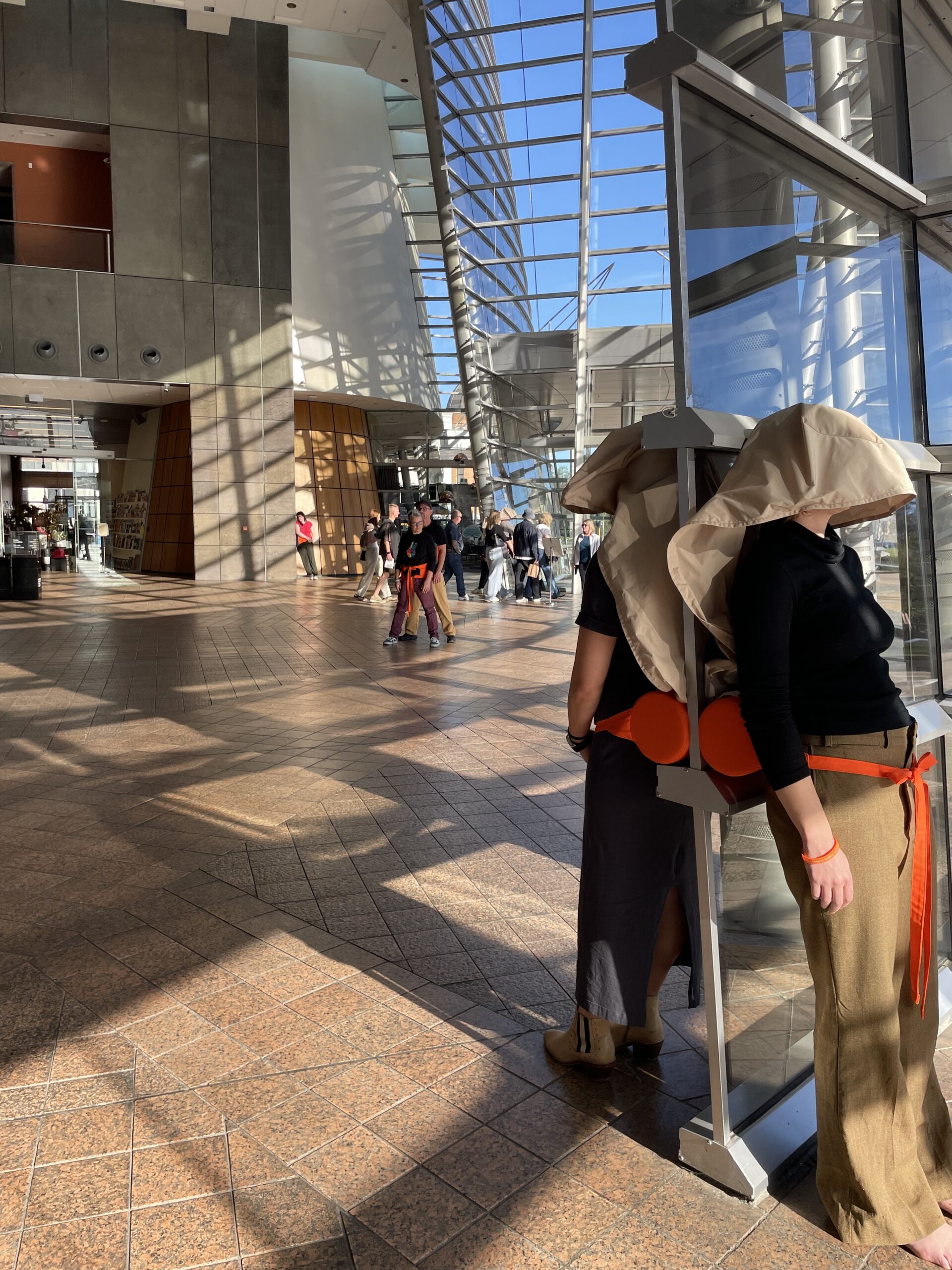
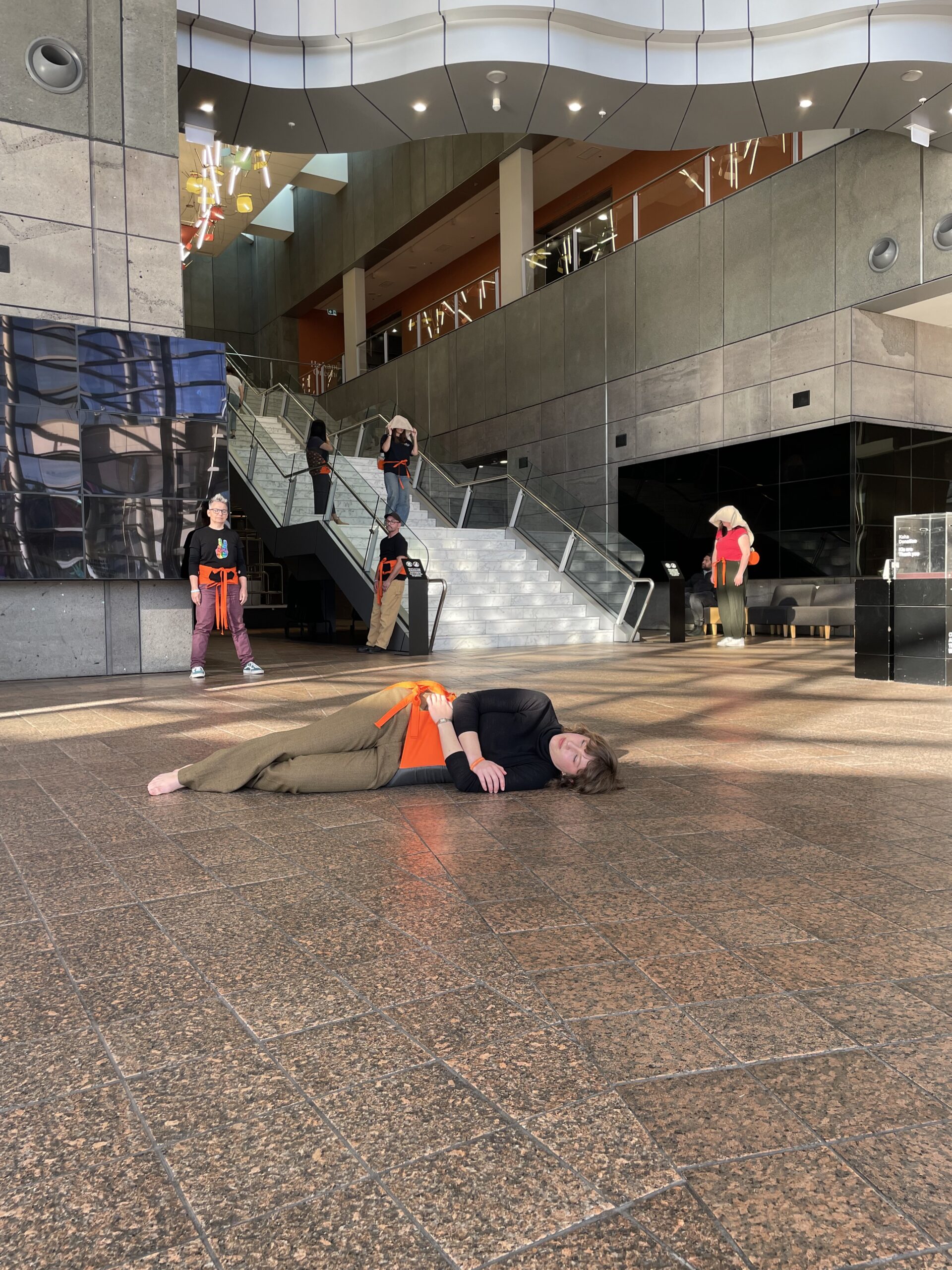
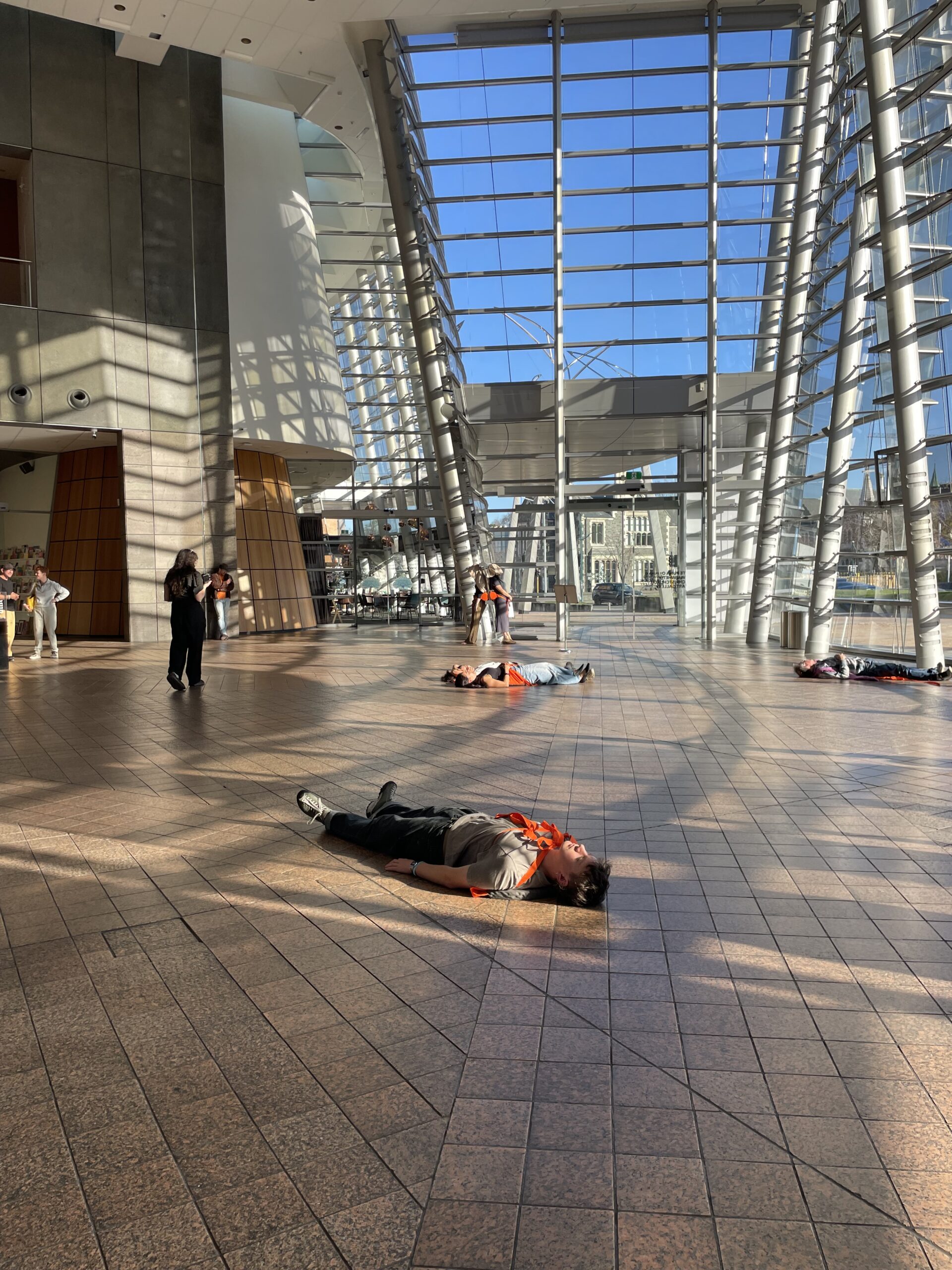
Chris Braddock, Lessons In Waiting (2025). Cotton, wool, foam, nylon, live performance, and kahikatea fallen in Cyclone Gabriel in 2023. Textile fabricators Arlo Pavlovich and Briar McGlynn. Performers acknowledged on performance scores. Part of the exhibition, A Time of Waiting (2025) at Ngutu Kākā, Auckland.
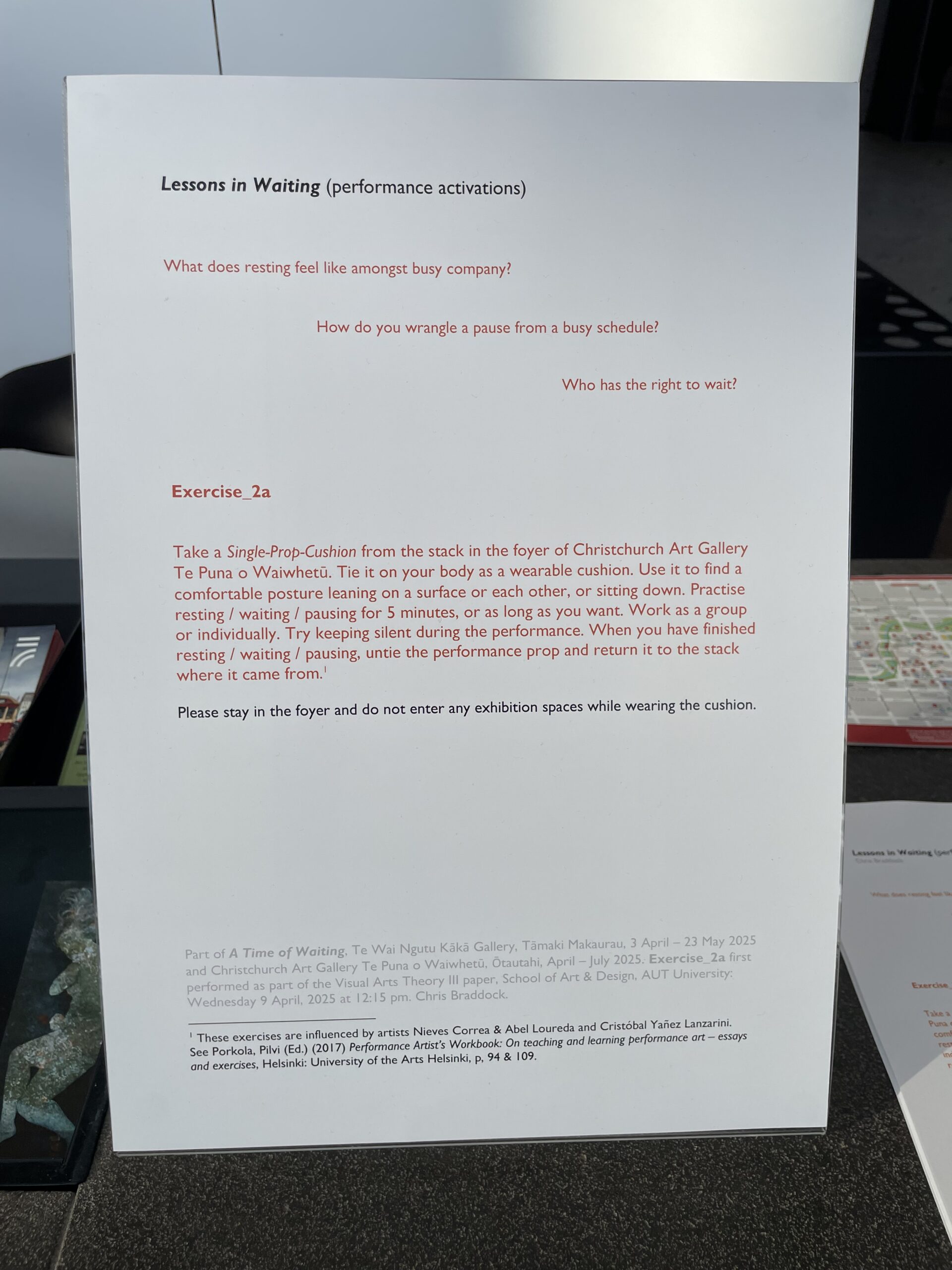
For Lessons in Waiting, participants are invited to activate Chris Braddock’s performance-prop-sculptures. Braddock’s work takes the form of aprons, hoods, cushions, bolsters, and quilts, and in this way seeks to invite participation, through activities such as resting, stopping, contemplating, or being silent. Some ‘props’ are wearable, while another forms a mat or quilt around the central column of the gallery, providing cushioned supports for sitting on or leaning against. Colours conjure up, for example, the orange of workwear/overalls, the yellow of security alerts, and the ubiquitous grey of institutional furniture, suggesting urgent work to be done, but in the ironic arena of slowing down and taking time out.
Braddock’s practice draws on a rich history of performance art as well as histories of meditation practices, including monastic attire and Sufi mysticism. The performance scores, including phrases and actions spoken by participants while activating the props, also draw on common commands or requests to wait, as well as some existential literature including Samuel Beckett’s Not I (1973). Through mining an array of traditions that contrast with the demands of contemporary life, Braddock seeks out positive attributes of pausing and waiting in such a way as to both participate in a rich tradition of performance art, while resisting a pervasive over-professionalisation and rigidity that has become a feature of the increased rise of performance-based practices across the globe. While also exhibited as sculptures, Braddock’s work evokes a provisional quality of earlier modes of performance, requiring us to return at set times for viewing performances, involving ourselves in realising the work through a participatory relationship, and sometimes involving pedagogical workshop sessions as performance.
For more information, see the full exhibition catalogue below.